
- Shop Pages
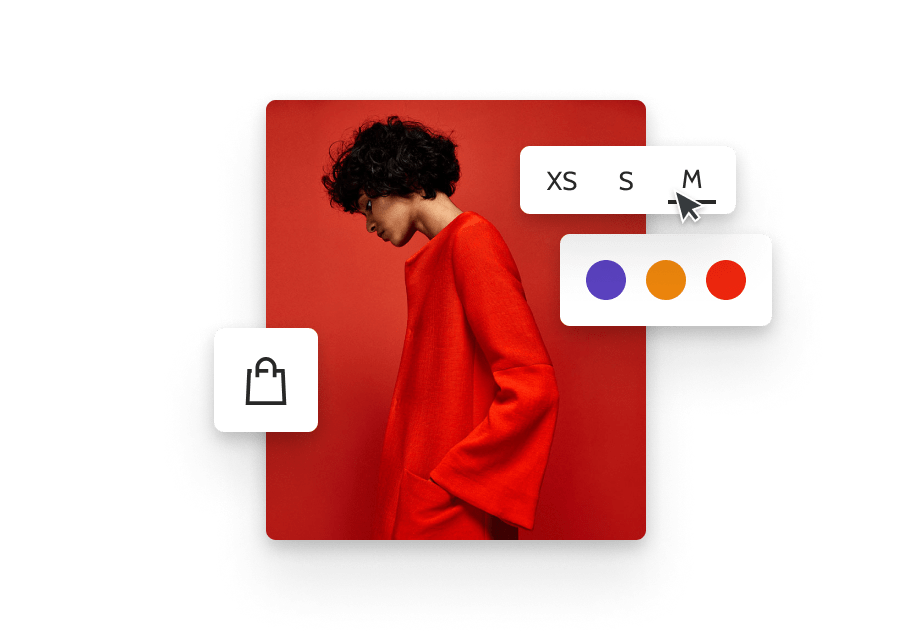
Advanced Variable products with swatches
Products variations colors and images without any additional plugins.
- Product Loop
- Single Product
- Features

































How Color and Design Enhance User Experience in Modern Games

In the rapidly evolving landscape of modern gaming, visual design and color schemes are no longer mere aesthetics; they are fundamental tools that shape player engagement, influence behavior, and create immersive experiences. From the earliest pixelated interfaces to today’s high-definition virtual environments, the way games utilize visual elements has undergone significant transformation, driven by technological advances and a deeper understanding of human perception.
Table of Contents
- Introduction to Color and Design in Modern Gaming
- Fundamental Principles of Color Theory and Design in Games
- Enhancing Usability and Accessibility through Design
- Color and Design as Tools for Player Motivation and Retention
- The Psychological Impact of Color Schemes in Game Environments
- Design Trends in Modern Game Development
- Deep Dive: Case Study of «Fortune Coins – Hit the Cash!»
- Future Directions in Color and Design in Gaming
- Conclusion: Integrating Color and Design for Optimal User Experience
Introduction to Color and Design in Modern Gaming
Visual elements are central to capturing players’ attention and fostering engagement. In early gaming eras, interfaces were limited by hardware capabilities, often relying on simple color palettes and basic shapes. Today, advanced graphics engines enable rich, dynamic visuals that can evoke emotions and guide player interactions seamlessly. For instance, vibrant color schemes in contemporary games are deliberately crafted to influence mood and decision-making, enhancing the overall experience.
The evolution of game design reflects a growing recognition of visual psychology. From the minimalist interfaces of puzzle games to the elaborate worlds of AAA titles, designers leverage color and layout to create intuitive, immersive environments. This progression underscores the importance of visual elements not just as decoration but as strategic components in game development.
Understanding how color influences perception and behavior is fundamental for effective game design.
Fundamental Principles of Color Theory and Design in Games
Color psychology and emotional responses
Colors evoke specific emotions; for example, red can stimulate excitement and urgency, while blue often conveys trust and calmness. These associations are rooted in psychological research and vary across cultures, but their application in games is universal. For example, action-packed sequences often use warm, vibrant colors to boost adrenaline, whereas strategic menus may employ cooler tones to promote focus.
Contrast, harmony, and readability
Effective contrast between foreground and background enhances readability and user comfort. Harmony in color schemes reduces visual fatigue and creates aesthetically pleasing interfaces. For instance, a well-balanced palette ensures that essential elements like buttons or icons stand out without clashing, facilitating quick recognition and decision-making.
The role of shapes and symbols in visual communication
Shapes and symbols serve as visual shorthand for game mechanics and status indicators. Recognizable icons, such as a coin for currency or a star for achievement, rely on simple, distinct shapes that communicate instantly. This visual language accelerates gameplay flow and minimizes cognitive load, especially important in fast-paced or complex games.
Enhancing Usability and Accessibility through Design
Color-blind support and inclusive design practices
Approximately 8% of men and 0.5% of women experience some form of color vision deficiency. To accommodate such players, designers incorporate high-contrast color combinations and redundant visual cues, such as patterns or shapes, alongside color coding. This approach ensures that gameplay remains accessible and enjoyable for all users.
The significance of distinct shapes and colors for symbol recognition
Using unique shapes and consistent color coding enhances symbol recognition, especially under varying lighting or display conditions. For example, in a game interface, a red triangle might indicate danger, while a green circle signifies safety, with shape reinforcing color meaning for those with visual impairments.
User interface layout and visual hierarchy
Proper layout directs player attention efficiently. Elements with higher importance are larger and more prominently placed, often highlighted with contrasting colors. For example, a health bar positioned at the top-left corner with vivid red coloring immediately signals critical information, guiding quick reactions during gameplay.
Color and Design as Tools for Player Motivation and Retention
Use of vibrant colors to stimulate excitement
Bright, saturated colors are frequently used in reward screens, special effects, and bonus indicators to evoke excitement and encourage continued play. For instance, gold and neon hues can make rewards feel more valuable and enticing.
Rewarding visual cues and feedback mechanisms
Immediate visual feedback, like flashing icons or expanding animations, reinforce positive actions. These cues, often combined with color changes—such as a successful spin turning green—enhance player satisfaction and motivate ongoing engagement.
Case study: official info as an example of effective color and symbol design
In “Fortune Coins – Hit the Cash!”, modern design principles demonstrate how clear symbol shapes and strategic color use create an intuitive experience. The game employs distinct shapes like Lemons, Plums, and Oranges, each with unique silhouettes, to facilitate quick recognition. The vibrant color schemes, such as warm yellows and purples, influence perception of value and excitement. Pay multipliers are visually emphasized with bold, contrasting colors and dynamic animations, making their activation immediately noticeable and reinforcing the reward mechanism.
Symbol shapes and their visual distinctiveness
- Lemon: round shape with a textured peel pattern
- Plum: oval with a stem and leaf silhouette
- Orange: spherical with a bright hue and distinctive segments
Color schemes and their influence on player perception
Warm colors like yellow and orange evoke feelings of luck and abundance, while cooler tones like purple suggest premium rewards. This deliberate color mapping guides players’ expectations and enhances the perceived value of symbols.
Implementation of pay multipliers and their visual cues
Multipliers are highlighted with pulsating borders, bright colors, and animated effects to attract attention. These visual cues leverage the psychological impact of color and movement to reinforce the significance of multipliers, encouraging players to aim for these rewarding outcomes.
The Psychological Impact of Color Schemes in Game Environments
Colors that evoke trust, excitement, or calmness
Strategic use of color schemes can influence player mood and decision-making. Blues and greens foster calmness and trust, making them ideal for menus and settings screens. Conversely, reds and oranges stimulate excitement and urgency, perfect for action sequences or bonus rounds.
Cultural considerations in color interpretation
Color meanings vary across cultures; for example, white signifies purity in some societies and mourning in others. Global game developers must consider these differences to ensure their visual cues resonate appropriately with diverse audiences.
How color schemes guide player decision-making
Colors can subtly influence choices; for instance, warm hues may prompt players to take risks, while cooler tones encourage cautious play. Designers leverage this psychological principle to shape gameplay strategies and enhance engagement.
Design Trends in Modern Game Development
Minimalism vs. elaborate visual styles
Contemporary games often balance minimalistic interfaces that promote clarity with elaborate, immersive worlds that captivate players. Minimalism reduces cognitive load, while detailed visuals enhance storytelling and depth.
Adaptive and dynamic color schemes based on game context
Modern games incorporate real-time adjustments to color schemes to reflect game states—such as shifting to darker palettes during tense moments or brighter tones during celebratory scenes—creating a more responsive and engaging experience.
Incorporation of user feedback into design refinement
Player preferences and accessibility needs influence iterative design updates. Data-driven insights help developers optimize color contrasts, symbol recognition, and overall visual clarity, ensuring broader appeal and usability.
Deep Dive: Case Study of «Fortune Coins – Hit the Cash!»
Visual design choices for symbols like Lemon, Plum, and Orange
The game employs distinctive shapes and vibrant colors to quickly communicate symbol identity. For example, the Lemon’s bright yellow hue and circular shape evoke freshness and luck, while the Plum’s deep purple and elongated form suggest richness.
How pay multipliers are visually represented to enhance clarity
Multipliers appear with bold typography, contrasting colors, and animated effects such as flashing borders or expanding icons, making them immediately noticeable and reinforcing their reward significance.
Accessibility features supporting diverse player needs
The game integrates high-contrast color schemes and shape-based cues to assist players with visual impairments, exemplifying inclusive design principles that are essential in contemporary gaming development.
Future Directions in Color and Design in Gaming
Emerging technologies like AR/VR and their visual design challenges
Augmented and virtual reality require adaptive color schemes that account for environmental lighting and user focus, demanding more sophisticated design strategies to maintain immersion and comfort.
Personalization and adaptive designs for individual players
Future games may utilize AI-driven algorithms to tailor color palettes and interface layouts based on player preferences, enhancing satisfaction and accessibility.
Ethical considerations in using color and design to influence behavior
Designers must balance engagement techniques with ethical responsibility, avoiding manipulative color use that could promote compulsive gaming behaviors or exploit vulnerable players.
Conclusion: Integrating Color and Design for Optimal User Experience
Thoughtful application of color and design principles significantly enhances user experience in modern games. By understanding psychological impacts, accessibility needs, and emerging technological trends, designers can craft environments that are not only visually appealing but also intuitive and inclusive.
“Great game design harmonizes visual appeal with functional clarity, creating an engaging journey for players across diverse backgrounds.”
For game developers aiming to improve their visual strategies, integrating these principles fosters player retention and satisfaction. As technology advances, continuous innovation in color and design will remain vital to captivating the modern gaming audience.


