
- Shop Pages
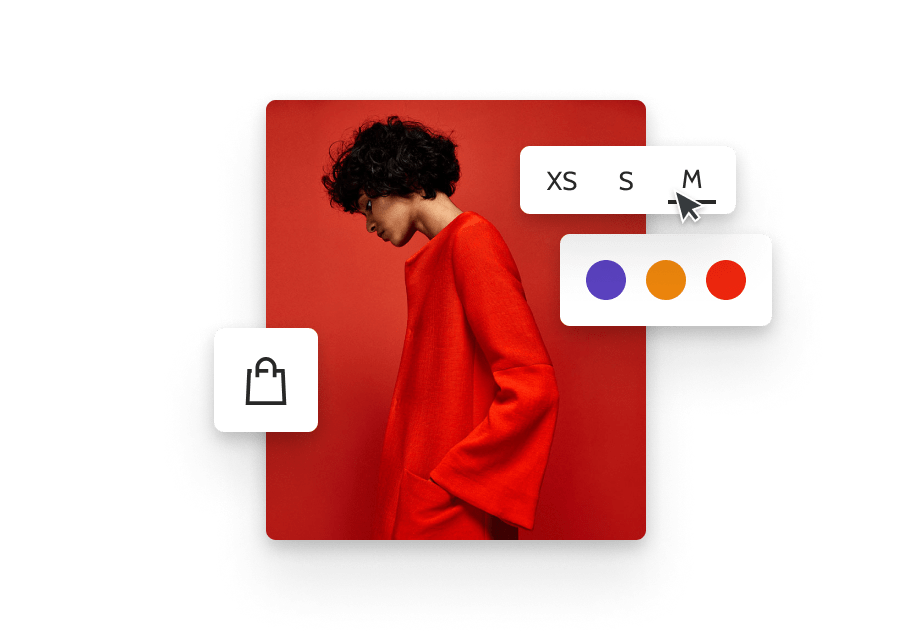
Advanced Variable products with swatches
Products variations colors and images without any additional plugins.
- Product Loop
- Single Product
- Features

































The Role of Symbols in Cultural Stories and Modern Games

Symbols are fundamental elements of human storytelling, serving as bridges between abstract ideas and tangible representations. From ancient carvings to contemporary digital media, symbols encapsulate complex cultural values, beliefs, and histories. Understanding their evolution and function offers valuable insights into both preserving cultural identities and innovating within modern entertainment industries.
This article explores how symbols shape cultural narratives, their adaptation in modern games, and their ongoing significance in digital media. By examining specific examples, including the incorporation of ancient symbols into game design, we highlight the enduring power of symbols as tools for education, storytelling, and cultural expression.
Contents
- Understanding Symbols in Cultural Narratives and Modern Contexts
- The Role of Symbols in Preserving and Conveying Cultural Identity
- Symbols as Narrative Devices in Cultural Stories
- Modern Reinterpretation of Cultural Symbols in Games
- Symbolic Mechanics in Modern Gaming and Their Educational Implications
- The Impact of Symbolic Design on Player Perception and Cultural Awareness
- Non-Obvious Aspects of Symbols in Modern Entertainment
- Future Trends: The Role of Symbols in Cultural Storytelling and Gaming Innovation
- Conclusion: Bridging Cultural Heritage and Modern Entertainment Through Symbols
1. Understanding Symbols in Cultural Narratives and Modern Contexts
a. Definition and significance of symbols in human storytelling
Symbols are visual, auditory, or conceptual elements that stand for broader ideas, values, or narratives. They serve as a universal language, allowing humans across cultures to communicate complex concepts succinctly. In storytelling, symbols often embody moral lessons, cultural identities, or spiritual beliefs, making them vital tools for transmitting knowledge across generations.
b. The evolution of symbols from ancient cultures to contemporary entertainment
Ancient civilizations, such as the Egyptians with their hieroglyphs or the Greeks with mythological symbols, relied heavily on symbolic representations to encode religious beliefs and social order. Today, these symbols have been adapted into visual motifs in movies, video games, and branding, serving both aesthetic and functional purposes. For example, modern interpretations of Egyptian hieroglyphs appear in films and games, often romanticized or stylized to fit narrative needs.
c. Purpose and scope of the article
This article aims to explore how symbols function in preserving cultural identities, their role as narrative devices, and their reinterpretation in modern gaming. By examining specific examples, including the use of ancient symbols in contemporary games like mummys jews, we highlight the enduring importance of respectful and meaningful symbol use in entertainment and education.
2. The Role of Symbols in Preserving and Conveying Cultural Identity
a. How symbols serve as cultural identifiers and storytellers
Symbols act as cultural signatures, instantly communicating a group’s shared history, beliefs, and values. They foster a sense of community and continuity, especially when traditional symbols are incorporated into rituals, art, and public identity. For instance, the maple leaf in Canada or the lotus flower in various Asian cultures symbolize national and spiritual identities.
b. Examples of traditional symbols: Ankh as a case study for life and vitality
The Ankh, originating from ancient Egypt, is perhaps one of the most recognizable symbols representing life and immortality. Its distinctive looped cross design appears in tomb paintings and amulets, symbolizing eternal life and divine power. Modern usage often retains these connotations, appearing in jewelry, arts, and even in popular media to evoke themes of vitality and spiritual transcendence.
c. Challenges in interpreting symbols across different cultures
Interpreting symbols can be complex, as meanings often vary based on cultural context. An object or motif may have positive connotations in one society but be taboo or misunderstood in another. This underscores the importance of cultural sensitivity, especially when modern media reimagines ancient symbols, ensuring respectful and accurate representations.
3. Symbols as Narrative Devices in Cultural Stories
a. The use of symbols to communicate complex ideas succinctly
Symbols condense elaborate concepts into visual or conceptual shorthand, enabling storytellers to convey morals, warnings, or spiritual truths efficiently. For example, a serpent can symbolize danger, temptation, or renewal, depending on context, allowing storytellers to craft layered narratives that resonate on multiple levels.
b. How symbols facilitate emotional engagement and moral lessons
Symbols evoke emotional responses and serve as moral signposts. The use of the dove to symbolize peace or the lion for courage connects audiences universally with core human values. These symbols often originate in oral traditions but are preserved and amplified through written texts and visual media, strengthening their impact over generations.
c. The transition of symbols from oral traditions to written texts
Initially transmitted orally, many symbols gained permanence through inscriptions, manuscripts, and now digital media. For instance, mythological symbols like the Greek omega or the Christian cross have persisted, adapting to new storytelling formats while maintaining their symbolic core.
4. Modern Reinterpretation of Cultural Symbols in Games
a. The integration of ancient symbols into game design and storytelling
Video games frequently draw upon historical and cultural symbols to deepen storytelling and create immersive worlds. These symbols serve as visual cues that connect players with the mythologies, religions, or traditions underlying the game’s setting. Proper integration can enhance authenticity and educational value, provided it respects cultural origins.
b. Case Study: The symbolic significance in “Mummy’s Jewels” and its thematic connection to Egyptian mythology
In the game mummys jews, ancient Egyptian symbols such as scarabs, the Ankh, and hieroglyphs are woven into the narrative and mechanics. These symbols evoke themes of life, death, and rebirth, aligning with Egyptian mythology. Their careful use enhances immersion and educates players about cultural motifs, illustrating how modern entertainment can honor tradition while entertaining.
c. How symbols enhance game immersion and player experience
Symbols serve as visual anchors that evoke curiosity and emotional engagement. When players recognize familiar motifs, they connect more deeply with the story, increasing immersion. Additionally, symbolic elements can signal game mechanics or objectives intuitively, aiding gameplay and learning.
5. Symbolic Mechanics in Modern Gaming and Their Educational Implications
a. The use of symbols to represent game mechanics (e.g., high-volatility slots, max win caps)
Game developers employ symbols to communicate mechanics quickly. For example, certain icons or colors may indicate high volatility or maximum payout limits, enabling players to make informed decisions. Such symbolic representations streamline understanding, especially in complex games like online slots or strategy titles.
b. Explanation of game concepts through symbolic representations
Using standardized symbols, games can convey concepts such as risk, reward, or special features without lengthy explanations. This approach enhances accessibility and educational value, helping players learn game mechanics intuitively.
c. The educational value of understanding game symbols and mechanics
Familiarity with game symbols can improve players’ strategic thinking and financial literacy. Recognizing what symbols represent encourages responsible gaming and better decision-making, illustrating how symbols serve both entertainment and educational purposes.
6. The Impact of Symbolic Design on Player Perception and Cultural Awareness
a. How symbols influence players’ perceptions of the game’s cultural themes
Symbols can shape perceptions by reinforcing authenticity or, conversely, perpetuating stereotypes. Accurate and respectful use of cultural symbols fosters appreciation and understanding, while misappropriation risks misinforming players and disrespecting cultures.
b. The potential for games to educate about cultural symbolism and history
Games serve as accessible platforms for cultural education. When designed thoughtfully, they can introduce players to history, mythology, and symbolism, encouraging curiosity and learning beyond entertainment. Incorporating real cultural symbols, like those in Egyptian mythology, promotes respectful engagement and awareness.
c. Risks of cultural misappropriation and the importance of respectful representation
Misusing cultural symbols can lead to stereotypes, misinformation, or cultural insensitivity. Developers and creators bear responsibility for respectful representation, ensuring that symbols are portrayed accurately and with cultural context. This approach fosters mutual respect and enriches the gaming experience.
7. Non-Obvious Aspects of Symbols in Modern Entertainment
a. The psychological effects of symbols and their subconscious influence
Symbols can evoke subconscious associations, influencing mood and decision-making. For example, certain colors or motifs can trigger feelings of trust or danger, impacting player behavior and perception without deliberate awareness.
b. Symbols as tools for branding and marketing within the gaming industry
Brands leverage symbols to create distinct identities. Recognizable motifs or icons become associated with quality, excitement, or trustworthiness, aiding in marketing and establishing player loyalty across digital platforms.
c. The evolution of symbols in digital and interactive media
Interactive media expand the use of symbols through dynamic and personalized content. Augmented reality (AR) and virtual reality (VR) experiences incorporate symbols that adapt to user interactions, opening new avenues for cultural storytelling and immersive engagement.


