
- Shop Pages
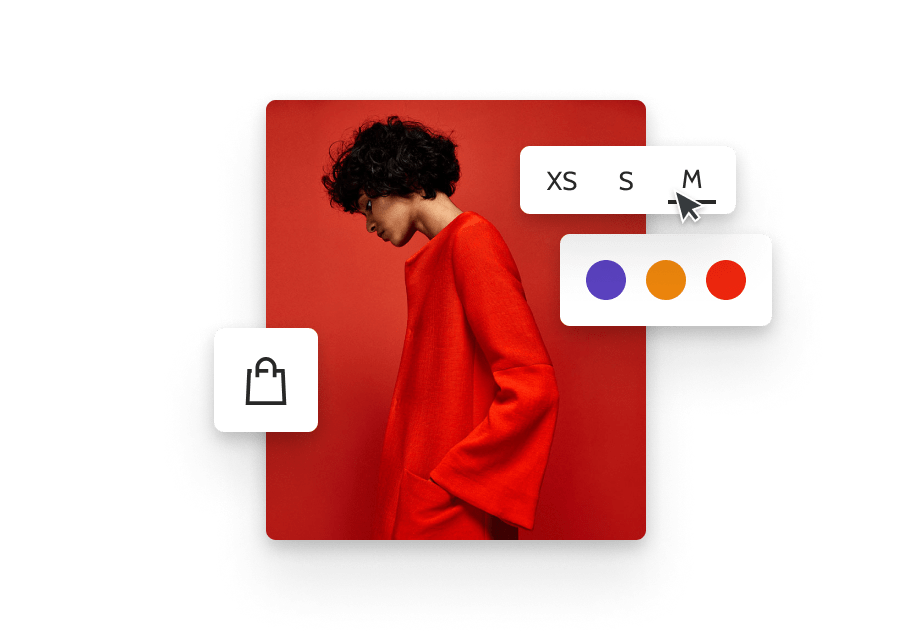
Advanced Variable products with swatches
Products variations colors and images without any additional plugins.
- Product Loop
- Single Product
- Features
































The Power of Symbols: Luck and Magic in Modern Games

Symbols are fundamental elements in game design, serving as carriers of meaning and cultural significance that resonate deeply with players. From ancient talismans to digital icons, symbols encapsulate complex ideas, emotions, and beliefs, making gameplay more immersive and meaningful. As gaming evolved from traditional physical games to sophisticated digital platforms, the role of symbols expanded, incorporating new layers of storytelling and interaction. Central to this evolution are universal themes like luck and magic, which continue to enchant players and shape game narratives, demonstrating the enduring power of symbols in creating engaging experiences.
Contents
- The Educational Power of Symbols: Bridging Cultural and Psychological Aspects
- Symbols of Luck in Modern Games: From Ancient Roots to Digital Representations
- The Magic of Symbols: Creating Mystique and Immersive Experiences
- High Volatility and Symbolic Risks: The Role of Chance and Uncertainty
- The Cultural and Mythological Layering in Modern Symbols
- The Non-Obvious Symbolic Elements: Beyond the Obvious
- Conclusion: Harnessing the Power of Symbols to Enhance Player Experience
The Educational Power of Symbols: Bridging Cultural and Psychological Aspects
Symbols serve as efficient tools for conveying complex ideas swiftly, allowing game designers to embed cultural references and emotional cues within visual elements. For example, a four-leaf clover not only signifies luck but also taps into Irish cultural symbolism, creating an immediate connection with players familiar with its meaning. Psychologically, symbols influence perceptions of luck and chance; a well-placed symbol like a horseshoe can evoke feelings of hope and anticipation, enhancing player engagement. Furthermore, these symbols deepen narrative layers, transforming a simple game into a culturally rich story that resonates universally while offering local nuances.
Symbols of Luck in Modern Games: From Ancient Roots to Digital Representations
Historically, symbols associated with luck—such as horseshoes, four-leaf clovers, and lucky coins—have persisted through centuries, adapting to new contexts. In contemporary game design, these symbols are often stylized or reimagined to fit digital aesthetics. For instance, slot games frequently incorporate familiar symbols like horseshoes for their lucky connotations, but with modern twists like glowing effects or animated features that heighten anticipation. A notable example is the “Extra Spin” symbol in Gold Party 2: After Hours, which acts as a trigger for bonus rounds, symbolizing the chance to win big and creating a sense of excitement and hope—core elements of luck.
| Luck Symbol | Historical Context | Modern Representation |
|---|---|---|
| Horseshoe | Ancient European talisman believed to ward off evil | Animated symbols in slots with glowing effects |
| Four-leaf clover | Irish tradition of luck and prosperity | Special symbols triggering bonus features |
| Lucky coin | Ancient belief in coin as a charm | Iconography in digital games with multipliers |
The Magic of Symbols: Creating Mystique and Immersive Experiences
Mythical and fantastical symbols evoke wonder and transport players into worlds beyond the ordinary. Unicorns, magical artifacts, and enchanted objects serve as visual anchors that reinforce the game’s theme of magic and supernatural power. For example, in many slot games, unicorns appear as rare symbols that trigger special features, emphasizing their status as symbols of purity and fantasy. These symbols are carefully crafted to evoke curiosity and awe, making players feel part of a mystical universe. Their presence not only enhances immersion but also aligns with the universal human fascination with magic, reinforcing the game’s narrative of wonder.
High Volatility and Symbolic Risks: The Role of Chance and Uncertainty
High volatility in games reflects the potential for larger, less frequent wins and embodies a symbolic representation of risk-taking. When players encounter symbols associated with higher rewards—such as scattered or bonus symbols—they are entering a realm of uncertainty, mirroring real-world risk and reward scenarios. The placement of these symbols and their combinations significantly influence outcomes, encouraging strategic thinking. Understanding these symbols’ roles helps players navigate the game’s risk landscape more effectively, fostering a psychological readiness to accept uncertainty as part of the excitement. As an illustration, the anticipation built around bonus symbols in titles like Gold Party 2 amplifies the thrill of chance, highlighting the deep connection between symbolism, risk, and player psychology.
“Symbols not only represent luck and magic but also embody the strategic risks that make modern gaming compelling.”
The Cultural and Mythological Layering in Modern Symbols
Game designers often incorporate diverse mythologies to deepen the symbolic richness of their titles. Irish mythology, for instance, provides a wealth of symbols like leprechauns, pots of gold, and shamrocks, which are subtly woven into slot themes. These cultural references not only broaden the appeal by resonating with global audiences but also add layers of meaning that enhance immersion. Modern reinterpretations may abstract or stylize these symbols, blending tradition with innovation. For example, in some themed slots, Irish-inspired symbols are presented with contemporary artwork and animations, creating a seamless fusion of cultural heritage and modern aesthetic — an approach that enriches the narrative of luck and magic.
The Non-Obvious Symbolic Elements: Beyond the Obvious
Beyond the primary symbols, many games embed hidden symbols or Easter eggs that reward attentive players and increase replayability. These might include subtle background images, secret patterns, or mechanics that act as symbolic extensions of the core themes. For instance, respins, multipliers, or hidden jackpots are mechanics that symbolize hope, persistence, and the elusive nature of luck. These elements often operate beneath the surface, engaging players on a subconscious level and reinforcing the game’s overarching narrative of magic and chance. Recognizing and understanding these symbols enhances strategic play and deepens appreciation for the craftsmanship behind modern game design.
Conclusion: Harnessing the Power of Symbols to Enhance Player Experience
Symbols are more than mere visual elements; they are powerful tools that evoke emotion, cultural identity, and strategic thinking. Their educational value lies in their ability to communicate complex ideas quickly and effectively, creating deeper engagement. As the gaming industry continues to evolve, understanding the symbolic language embedded within titles like Gold Party 2: After Hours and others can enrich players’ experiences, fostering a greater appreciation of the artistry involved. Ultimately, the future of symbols in gaming will likely see even more sophisticated integrations that blend tradition with innovation, keeping the magic alive for generations to come.


