
- Shop Pages
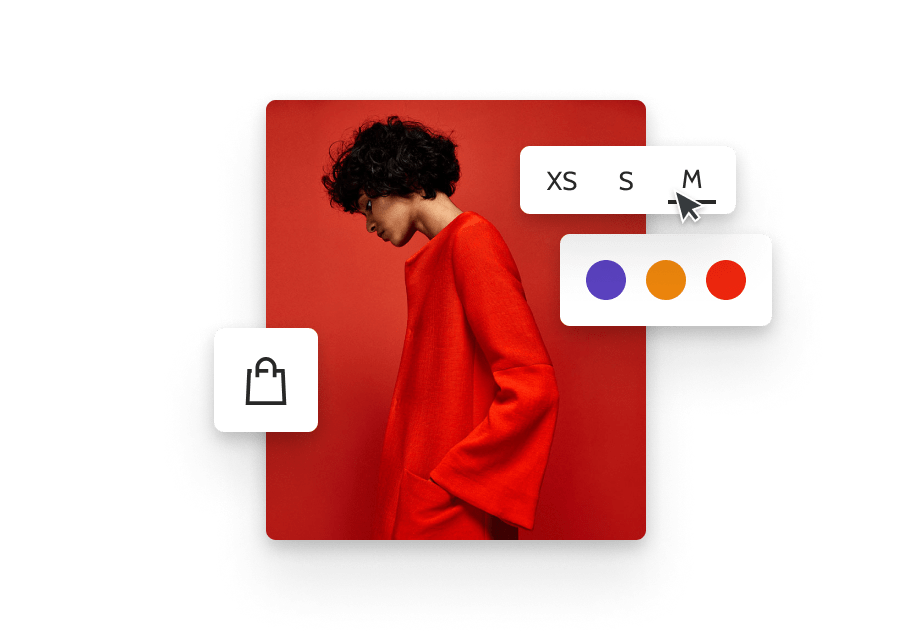
Advanced Variable products with swatches
Products variations colors and images without any additional plugins.
- Product Loop
- Single Product
- Features
































How Multipliers Enhance Modern Game Mechanics 09-2025

In the evolving landscape of digital gaming, multipliers stand out as a fundamental mechanic that significantly influences player experience. They serve as tools to amplify rewards, introduce strategic complexity, and elevate excitement levels. This article explores the conceptual foundations of multipliers, their integration into game design, and how they shape player engagement—highlighting examples from contemporary titles such as free-to-play Golden Empire 2.
Understanding how multipliers work is essential for appreciating their role in modern game mechanics. They are not merely numerical multipliers; they embody a strategic layer that influences player decision-making, risk management, and overall game dynamics. By examining their mathematical basis and practical applications, we gain insight into their capacity to deepen engagement and foster a more immersive gaming environment.
Table of Contents
- Introduction to Multipliers in Modern Game Mechanics
- The Conceptual Foundation of Multipliers
- Multipliers as a Tool for Increasing Player Retention and Engagement
- Integration of Multipliers into Modern Game Design
- Case Study: «Golden Empire 2» and Its Multiplier Mechanics
- The Role of High-Value Symbols and Multipliers in Winning Strategies
- Technical and Fairness Considerations in Multiplier Implementation
- Non-Obvious Benefits and Challenges of Using Multipliers
- Future Trends in Multiplier Mechanics and Game Design
- Conclusion: The Value of Multipliers in Modern Gaming Ecosystems
1. Introduction to Multipliers in Modern Game Mechanics
a. Definition and purpose of multipliers in digital games
Multipliers in digital games are mechanics that increase the value of rewards—such as points, coins, or credits—by a specific factor. Their primary purpose is to heighten the thrill of gameplay by providing opportunities for larger payouts, thereby motivating players to continue engaging with the game. They can be triggered through various means, including achieving certain milestones, landing specific symbols, or during bonus rounds.
b. The importance of enhancing player engagement and excitement
By amplifying rewards, multipliers serve as a catalyst for sustained interest. They create moments of anticipation—players eagerly await potential multipliers in hopes of significantly boosting their winnings. This emotional rollercoaster fosters a deeper connection to the game, encouraging repeated play and fostering loyalty. As demonstrated in popular slot games, the presence of multipliers often correlates with higher session durations and player satisfaction.
c. Overview of how multipliers influence game outcomes and player strategies
Multipliers alter the potential outcomes of a game, making it possible for players to turn modest wins into substantial payouts. They influence player strategies by emphasizing the importance of triggering or maximizing multipliers—whether through skill-based decisions or timing plays during bonus features. For example, players may prioritize landing high-value symbols that activate multipliers, aligning their tactics to capitalize on these mechanics.
2. The Conceptual Foundation of Multipliers
a. Mathematical principles behind multipliers and their impact
At their core, multipliers are rooted in basic algebraic principles. If a base payout is represented as P, applying a multiplier M results in a payout of P × M. For instance, a payout of 100 coins with a 3x multiplier yields 300 coins. This simple yet powerful concept allows game designers to scale rewards dynamically, creating a layered experience that appeals to players’ love for risk and reward.
b. How multipliers create dynamic risk-reward scenarios
Multipliers introduce a dynamic element where players weigh the potential for large payouts against the risks of missing out or losing progress. For example, during free spins with increasing multipliers, players may decide to play aggressively to maximize their multipliers, accepting higher variance. This risk-reward balance is a fundamental principle in game design, enhancing engagement through strategic decision-making.
c. The role of multipliers in balancing game fairness and chance
While multipliers can significantly boost payouts, their implementation must ensure fairness. Randomness is crucial—players should perceive that multipliers are awarded fairly, based on chance or skill, not manipulation. Many games incorporate transparent algorithms and strict regulatory standards to maintain trust, ensuring that the excitement of multipliers does not come at the expense of fairness.
3. Multipliers as a Tool for Increasing Player Retention and Engagement
a. Encouraging sustained gameplay through reward amplification
When players see the potential for multiplying their rewards, they are more likely to stay engaged longer. Features like progressive multipliers that increase during gameplay or bonus rounds serve as incentives for players to continue playing, trying to unlock higher multipliers and larger payouts. This sustained engagement benefits both players, who experience heightened excitement, and developers, who enjoy increased session durations.
b. Examples of multiplier-triggered incentives, such as bonus rounds and free spins
Many modern games incorporate features like free spins with increasing multipliers, where each successive spin boosts potential rewards. For example, in some slot titles, landing specific symbols triggers a bonus round where multipliers escalate with each spin, creating a compelling incentive to participate. These mechanics leverage player anticipation and foster a sense of progression and achievement.
c. Psychological effects: anticipation and motivation to continue playing
The possibility of hitting a high multiplier creates a psychological thrill—players experience anticipation akin to gambling on a winning streak. This excitement encourages continued play, as players remain motivated to reach the next reward milestone. Such psychological engagement is backed by research showing that the potential for large gains activates reward centers in the brain, reinforcing positive feelings associated with gameplay.
4. Integration of Multipliers into Modern Game Design
a. Design principles for seamless multiplier implementation
Effective integration requires that multipliers feel like a natural part of the game’s narrative and mechanics. Designers often embed multipliers within thematic elements, such as treasure chests or mystical symbols, ensuring they enhance rather than disrupt the game flow. Clear visual cues and intuitive triggers help players recognize opportunities for multiplier benefits without confusion.
b. Examples from popular games, including «Golden Empire 2»
In «Golden Empire 2», multipliers are integrated into the theme of Aztec treasures, with high-value symbols like masks and deities acting as triggers. The game employs bonus multipliers that increase during free spins, creating a sense of discovery and reward. Such design choices reinforce the thematic immersion while providing tangible incentives for players to engage deeply with the mechanics.
c. How thematic elements (e.g., Aztec/Mayan treasures) complement multiplier features
Themes rooted in ancient civilizations, like Aztec or Mayan myths, naturally lend themselves to multiplier mechanics. Hidden treasures, sacred masks, and deities evoke a sense of mystery and adventure, making the activation of multipliers feel like uncovering a secret. This alignment between narrative and mechanics enhances overall immersion and satisfaction.
5. Case Study: «Golden Empire 2» and Its Multiplier Mechanics
a. Specific multiplier features within the game (e.g., bonus multipliers, increasing during free spins)
«Golden Empire 2» showcases multipliers that activate through high-value symbols like golden masks and the bird deity. During free spins, the game implements increasing multipliers—starting from 1x and escalating with each spin—culminating in significant payout boosts. These features are visually highlighted with thematic animations that evoke ancient treasures, intensifying player engagement.
b. How the game’s theme enhances the multiplier experience (hidden treasures, high-value symbols)
The theme of hidden Aztec treasures, complemented by symbols like jade masks and sacred birds, creates an immersive environment where each multiplier feels like a discovery. When players land these symbols, they are rewarded with multiplier effects that seem to unlock ancient secrets, reinforcing thematic cohesion and making the mechanic more compelling.
c. Impact of multipliers on game flow and player perception of fairness (e.g., interruption rules)
In «Golden Empire 2», rules are designed to ensure that multipliers are transparently applied, even during interruptions like disconnections. The game maintains fairness by preserving multiplier states and ensuring that subsequent plays reflect previous multipliers, fostering trust. This approach ensures players perceive the mechanic as both exciting and fair, essential for long-term engagement.
6. The Role of High-Value Symbols and Multipliers in Winning Strategies
a. Significance of symbols like golden masks, bird deity, jade masks as multipliers or triggers
High-value symbols often serve dual roles—acting as both payout enhancers and triggers for multipliers. For instance, in thematic slots, a golden mask might activate a multiplier of 5x when part of a winning combination, or trigger a bonus round with escalating multipliers. Recognizing these symbols allows players to develop strategies focused on landing them, thereby increasing payout potential.
b. How symbol alignment influences multiplier activation and payout potential
Aligning high-value symbols across paylines or within bonus features often activates multipliers. For example, landing multiple jade masks in sequence might trigger a cumulative multiplier, exponentially increasing payouts. Strategic play involves identifying these symbols and timing bets to maximize the chance of favorable alignments.
c. Examples of strategic play involving high-value symbols and multipliers
Players may choose to increase their bets during certain game phases when high-value symbols are more likely to appear, or during free spins where multipliers escalate. Understanding symbol probabilities and their relation to multiplier triggers enables more calculated risk-taking, ultimately improving winning prospects.
7. Technical and Fairness Considerations in Multiplier Implementation
a. Ensuring randomness and fairness when applying multipliers
Modern games employ cryptographically secure algorithms to ensure that the activation of multipliers remains random and unbiased. This transparency is vital for maintaining player trust, especially in regulated markets. For instance, random number generators (RNGs) are calibrated to prevent predictable multiplier triggers, ensuring fairness across all gameplay sessions.


