
- Shop Pages
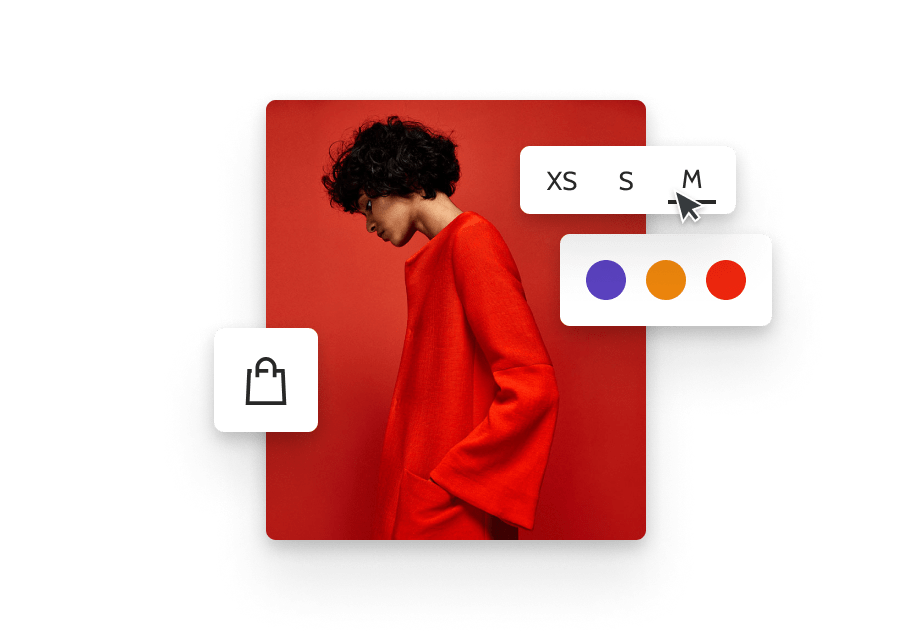
Advanced Variable products with swatches
Products variations colors and images without any additional plugins.
- Product Loop
- Single Product
- Features































How Ancient Wealth Shapes Modern Rewards Systems

Throughout human history, the pursuit of wealth and the mechanisms for rewarding achievement have evolved alongside civilizations. From the earliest societies seeking tangible treasures to today’s digital ecosystems employing symbolic tokens, understanding the roots of modern reward systems reveals a fascinating link to ancient cultural practices. This exploration sheds light on how historical motivations and symbols continue to influence contemporary designs, blending tradition with innovation.
By examining the progression of wealth concepts and their symbolic representations, we uncover how ancient beliefs and artifacts underpin today’s reward mechanics—be it in gaming, loyalty programs, or digital currencies. Recognizing these connections enriches our appreciation of cultural memory embedded in modern experiences and offers valuable insights for designing meaningful reward systems.
Contents
- 1. Introduction: Tracing the Roots of Rewards Systems from Ancient Wealth to Modern Practices
- 2. The Concept of Wealth in Ancient Cultures
- 3. Religious and Cultural Symbols of Prosperity and Protection
- 4. Transition from Physical Wealth to Abstract Rewards
- 5. Modern Rewards Systems: Mechanics and Concepts
- 6. Case Study: «Mummy’s Jewels» — An Illustration of Ancient Wealth in Modern Gaming
- 7. The Role of Symbolism in Shaping Reward Perception
- 8. Non-Obvious Influences of Ancient Wealth Concepts on Modern Rewards
- 9. Future Trends: Evolving Rewards Inspired by Ancient Wealth and Symbols
- 10. Conclusion: The Enduring Legacy of Ancient Wealth in Modern Reward Systems
1. Introduction: Tracing the Roots of Rewards Systems from Ancient Wealth to Modern Practices
Human motivations for accumulating wealth and seeking rewards have deep historical roots. In early societies, wealth was often linked to survival—possessing resources like food, tools, or land—serving as a tangible measure of prosperity. Over time, these motivations expanded to include social status, spiritual significance, and cultural identity, shaping the ways civilizations rewarded achievement and status.
The evolution of reward mechanisms mirrors societal development—from primitive barter systems to complex financial instruments, and now, to symbolic digital tokens. Ancient civilizations employed physical treasures and religious icons to signify prosperity, which laid the groundwork for modern reward systems that blend tangible and symbolic elements. Exploring these historical influences reveals how cultural memory persists, informing contemporary practices in gaming, marketing, and digital economies.
2. The Concept of Wealth in Ancient Cultures
a. Definitions of wealth and prosperity in early societies
In ancient civilizations such as Mesopotamia, Egypt, and China, wealth was primarily defined by tangible assets—gold, silver, land, and precious artifacts. Prosperity was often associated with abundance—food stores, livestock, or territorial control—serving as indicators of a community’s health and stability.
b. Symbolism of wealth — from physical treasures to spiritual tokens
Beyond material possessions, many cultures imbued objects with spiritual significance. Sacred artifacts, religious icons, and symbols like the Ankh in Egypt or jade in China represented not just wealth but divine favor and protection. These symbols often conveyed social status and spiritual prosperity, reinforcing societal hierarchies.
c. Examples of ancient wealth symbols
- Gold and jewelry: universal markers of wealth, used in ancient Egypt and Mesopotamia.
- Sacred artifacts: amulets, relics, and talismans symbolizing divine favor.
- Religious icons: such as the Eye of Horus, representing protection and prosperity.
3. Religious and Cultural Symbols of Prosperity and Protection
a. The Eye of Horus: Origins, symbolism, and significance
One of the most iconic symbols from ancient Egypt, the Eye of Horus represents protection, health, and royal power. Originating from mythological stories about the god Horus, whose eye was restored after injury, it became a potent amulet believed to ward off evil and attract prosperity. Its intricate design and spiritual connotations made it a universal symbol of trust and safety.
b. How spiritual symbols influence perceptions of value and reward
Symbols like the Eye of Horus transcend their original contexts, influencing how societies perceive value. They serve as visual anchors of trust, protection, and success, often embedded in artifacts, currency, and rituals. This symbolic power persists, shaping modern perceptions of reward—trust in a brand or a reward system is often reinforced through culturally significant symbols.
c. Cross-cultural comparisons: amulets, talismans, and their modern equivalents
| Ancient Symbol | Cultural Context | Modern Equivalent |
|---|---|---|
| Eye of Horus | Protection, health, prosperity (Egypt) | Trust symbols in branding, logos with protective connotations |
| Jade ornaments | Wealth and spiritual harmony (China) | Luxury branding, wellness tokens |
| Hamsa Hand | Protection (Middle Eastern) | Security seals, protective digital icons |
4. Transition from Physical Wealth to Abstract Rewards
a. The shift from tangible treasures to symbolic and transactional rewards
As societies advanced, the emphasis shifted from physical riches to symbolic representations of value. Medieval and Renaissance periods saw the rise of coinage and trophies that signified wealth without necessarily being immense physical treasures. Today, this transition manifests in digital tokens, loyalty points, and branding assets—abstract assets that hold value through social trust and collective agreement.
b. The role of storytelling and myth in reinforcing reward systems
Mythology and storytelling have historically reinforced the perceived value of wealth—think of stories about treasure chests, divine rewards, or heroic deeds. Modern marketing and gaming leverage these narratives, creating immersive worlds where symbols and stories enhance perceived value. For example, in gaming, relics and symbols like those seen in «Mummy’s Jewels» serve as bridges between ancient mystique and contemporary engagement.
c. Modern parallels: branding, loyalty, and digital tokens
Contemporary reward systems often utilize digital tokens, loyalty points, and branded symbols to foster engagement. These abstract rewards are designed to evoke trust and familiarity, often incorporating symbols rooted in cultural or historical significance—these subtle cues tap into subconscious associations with prosperity and security.
5. Modern Rewards Systems: Mechanics and Concepts
a. Basic components: coins, cash, multipliers, and their origins
Modern reward systems often revolve around simple components such as coins, cash equivalents, and multipliers. These elements trace their origins to early currency systems—coins and tokens introduced in ancient China and Mesopotamia—designed to facilitate trade and reward achievement efficiently. Today, digital equivalents like virtual coins in gaming platforms maintain this legacy, serving as the foundational units of value exchange.
b. How volatility and payout frequency influence player engagement
Research shows that game mechanics such as payout frequency and volatility significantly impact user engagement. Frequent small rewards foster a sense of progress, while larger, less frequent payouts evoke excitement and anticipation. These principles are rooted in early gambling and reward theories, where the unpredictability of rewards enhances motivation—a concept traceable to ancient betting and divination practices.
c. The psychological impact of reward design
Reward design influences behavior through psychological pathways like dopamine release and expectancy theory. Symbols and mechanics that evoke trust—such as familiar motifs or culturally significant icons—can increase perceived value and loyalty. This is evident in how modern gaming incorporates ancient symbols, like the Eye of Horus, to foster trust and engagement.
6. Case Study: «Mummy’s Jewels» — An Illustration of Ancient Wealth in Modern Gaming
a. Overview of «Mummy’s Jewels» theme and design elements
«Mummy’s Jewels» exemplifies how ancient symbols and themes are woven into modern gaming experiences. Its design features relics, hieroglyphic motifs, and treasures reminiscent of Egyptian tombs, creating an immersive environment that resonates with cultural heritage. Such thematic choices evoke curiosity and trust, connecting players emotionally to the reward process.
b. Symbolism used: treasures, relics, and protective icons like the Eye of Horus
The game employs symbols like treasures, sacred relics, and iconic amulets such as the v3 Eye of Horus to evoke ancient protection and prosperity. These symbols are not mere decoration; they serve as psychological anchors that reinforce the theme of safeguarding rewards and attracting luck—drawing directly from their cultural significance.
c. How this game exemplifies the blending of ancient symbols with contemporary reward mechanics
«Mummy’s Jewels» demonstrates how integrating ancient symbols like relics and protective icons enhances engagement. The game’s mechanics—such as bonus rounds triggered by relic symbols—mirror traditional reward reinforcement, where sacred objects were believed to grant luck. This fusion of symbolism and mechanics exemplifies the enduring relevance of ancient wealth concepts in modern digital experiences.
7. The Role of Symbolism in Shaping Reward Perception
a. Why symbols like the Eye of Horus evoke trust and prosperity
Symbols such as the Eye of Horus evoke subconscious associations with protection, trust, and prosperity. Their historical significance creates a sense of authenticity and safety in modern contexts, influencing how


