
- Shop Pages
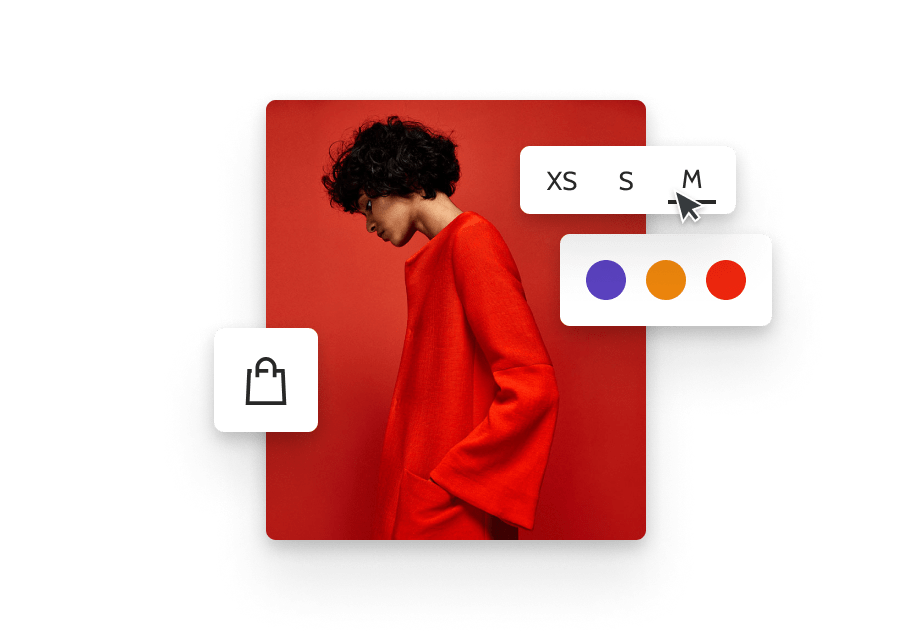
Advanced Variable products with swatches
Products variations colors and images without any additional plugins.
- Product Loop
- Single Product
- Features

































The History of Love Symbols in Games and Celebrations

1. Introduction: The Significance of Love Symbols in Human Culture and Celebrations
Throughout human history, symbols of love have served as profound expressions of affection, unity, and shared identity across diverse societies. From ancient rituals to modern festivities, these symbols transcend language, conveying emotions that foster community bonds and individual connection. Their significance is evident not only in personal relationships but also in cultural ceremonies, where symbols reinforce collective values and traditions.
In the realm of entertainment and game design, love symbols have found a unique intersection with cultural rituals. They are integrated into game mechanics and festive celebrations, creating immersive experiences that echo humanity’s timeless desire to express love and celebrate togetherness. This seamless blend of tradition and innovation highlights the enduring power of symbols in human expression.
Contents
- Historical Evolution of Love Symbols
- Love Symbols in Celebrations and Rituals
- Symbols of Love in Games and Entertainment
- Modern Mechanics as Contemporary Love Symbols
- The Role of Symbolic Mechanics in Player Experience
- Beyond the Screen: Love Symbols in Broader Culture
- Future Trends and Perspectives
- Conclusion
2. Historical Evolution of Love Symbols
a. Ancient origins of love symbols—e.g., hearts, lollipops, and their meanings
Many symbols associated with love date back thousands of years. The heart shape, for example, has origins in ancient Greece and Rome, where it was linked to the human soul and emotional life. Over time, it became a universal icon representing love and affection. Interestingly, some symbols like the lollipop, which might seem modern, have roots in medical practices—serving as medicinal treats in ancient cultures, symbolizing health and well-being, which are foundational to love and care.
b. Transformation of symbols through different eras and cultures
Throughout history, love symbols evolved across civilizations. During the Middle Ages, the heart symbol was widely used in art and literature to depict romantic love. In Victorian England, the exchange of love tokens, including jewelry and handwritten notes, became popular. Meanwhile, cultures such as the Chinese regarded symbols like the double happiness character as representations of love and union. These transformations reflect shifting societal values and the universality of love as a human experience.
c. The influence of medicine and ritual practices on the adoption of symbols (e.g., lollipops as medicine)
In ancient times, many love-related symbols were intertwined with health and healing rituals. For instance, the lollipop’s origins trace back to medicinal confections used to soothe sore throats and promote health, symbolizing nurturing love. Such practices highlight how symbols of care and well-being often overlap, reinforcing the idea that love is intertwined with health, comfort, and ritualistic healing.
3. Love Symbols in Celebrations and Rituals
a. How love symbols are incorporated into holidays and festivals (e.g., Valentine’s Day)
Celebrations like Valentine’s Day exemplify the integration of love symbols into cultural rituals. The red heart, roses, and Cupid’s arrow have become emblematic of romantic affection, used in decorations, cards, and gifts. These symbols serve to amplify emotional expression and strengthen social bonds during such festive occasions.
b. The use of symbols to enhance emotional connection and shared identity
Symbols act as visual language that enhances emotional connectivity. For example, exchanging heart-shaped chocolates or wearing matching symbols fosters a sense of shared identity and mutual affection. This symbolic exchange transforms personal feelings into collective cultural expressions, reinforcing community bonds.
c. Examples of traditional and modern celebratory symbols
- Traditional: Heart-shaped jewelry, love knots, and roses
- Modern: Emoji hearts, digital love messages, and themed party decorations
4. Symbols of Love in Games and Entertainment
a. The evolution of love symbols in gaming culture
In digital entertainment, love symbols have transitioned from simple icons to complex mechanics. Early video games used icons like hearts to indicate health or lives. Over time, these symbols have become embedded in narrative and gameplay, reflecting cultural ideals of love and affection in interactive forms. The rise of thematic games and romantic storylines further integrated love symbolism into gaming culture.
b. The integration of love symbolism in game mechanics and design
Modern game design often employs symbols like hearts, candies, or roses to evoke emotional responses. For example, some games incorporate love-themed events or mechanics, such as matching hearts to unlock rewards or progress relationships. These elements deepen player engagement by aligning game goals with culturally resonant symbols of love.
c. How modern games reflect cultural understandings of love—introduction of mechanics like scatter pays (e.g., zagraj teraz)
Mechanics like scatter pays, exemplified in popular slots such as Sweet Bonanza Super Scatter, illustrate how game design mirrors cultural perceptions of luck and reward intertwined with love symbols. Scatter symbols—often represented by lollipops, hearts, or stars—break traditional payline constraints, symbolizing luck’s spontaneous and generous nature. Their presence in games underscores a cultural narrative: love and luck are intertwined, and both are accessible through chance.
5. Modern Mechanics as Contemporary Love Symbols
a. Explanation of scatter pays mechanic and its significance in gaming
Scatter pays refer to symbols that, when appearing anywhere on the reels, activate special payouts or features regardless of their position. This mechanic shifts the focus from fixed payline wins to a more dynamic experience, symbolizing unpredictability and generosity—qualities often associated with love and luck. It democratizes chances, emphasizing that rewards can come unexpectedly, much like love itself.
b. The symbolic representation of luck, reward, and affection through game features
Symbols like hearts, lollipops, or stars in games are not just decorative; they embody cultural notions of affection, reward, and fortune. Scatter symbols, for instance, often trigger bonus rounds or free spins, representing luck’s role in love stories—sometimes arriving unexpectedly to turn the tide in one’s favor.
c. The role of symbols like lollipops and hearts in game design—connecting back to historical symbolism
These symbols preserve their historical connotations—lollipops as nurturing treats and hearts as expressions of love—while adapting to new contexts. Their continued use in modern games signifies a cultural bridge, linking ancient notions of care and affection with contemporary entertainment.
6. The Role of Symbolic Mechanics in Player Experience and Emotional Engagement
a. How symbols evoke feelings of love, luck, and celebration in players
Visual symbols like hearts and candies stimulate emotional responses, creating a sense of joy and celebration. The familiarity of these icons fosters comfort and connection, making gameplay more meaningful and engaging. The emotional resonance of such symbols enhances overall player satisfaction.
b. The psychological impact of symbols that pay anywhere on the reels—breaking traditional payline constraints
This mechanic introduces an element of surprise and excitement, as rewards are not limited to fixed lines but can appear randomly. It mirrors the unpredictability of love and fortune, heightening anticipation and emotional investment during gameplay.
c. The tumbling reels feature as a metaphor for renewal and continuous love
Tumbling reels, where symbols cascade and new ones fall into place, symbolize renewal and ongoing affection. This mechanic reinforces the idea that love is a continuous process, with each spin offering potential for fresh beginnings and renewed hope.
7. Beyond the Screen: Love Symbols in Broader Cultural Contexts
a. How the visual language of love symbols influences real-world celebrations
Icons like hearts, roses, and Cupid influence how societies celebrate love, shaping customs and gift-giving practices. These symbols help translate personal feelings into shared cultural expressions, enriching festivals and rituals.
b. The transition of symbols from traditional to digital forms in modern entertainment
Digital communication has popularized emojis and virtual icons, extending traditional symbols into new media. For instance, a heart emoji now conveys affection across continents instantly, demonstrating how visual language evolves while retaining core meanings.
c. The importance of understanding symbolic evolution for cultural literacy
Recognizing how symbols adapt helps us appreciate cultural diversity and interconnectedness. It enhances our ability to interpret messages accurately and fosters cross-cultural understanding, especially as symbols become globalized.
8. Non-Obvious Perspectives and Future Trends
a. The potential resurgence of traditional love symbols in new media
As digital art and virtual reality grow, traditional symbols like hearts and roses may re-emerge with novel representations, blending old meanings with new technologies to deepen emotional impact.
b. How game mechanics may evolve to incorporate deeper symbolic meanings
Future game designs could embed symbolic mechanics that reflect cultural narratives of love, such as story-driven quests or interactive rituals, making gameplay more meaningful and culturally rich.
c. The impact of cultural globalization on shared understanding of love symbols
Global interconnectedness fosters a common visual language, where symbols like the heart are universally recognized. However, this also calls for sensitivity to cultural differences in symbolism and interpretation, shaping future designs and celebrations.
9. Conclusion: The Interwoven History of Love, Symbols, and Human Expression
From ancient rituals to modern digital games, love symbols have served as powerful bridges connecting humanity’s past and present. They encode emotions, cultural values, and shared experiences, evolving yet retaining their core meanings. As we continue to innovate in entertainment and celebration, these symbols will undoubtedly adapt, reflecting the enduring human desire to love and be loved.
“Symbols are the silent language of love, transcending time and culture, uniting us through shared human expression.”
To explore how modern game mechanics exemplify these timeless principles, one can observe how features like scatter pays and thematic symbols evoke feelings of luck, reward, and affection—demonstrating that even in digital spaces, the language of love remains universal. If you’re interested in experiencing this blend of tradition and innovation firsthand, zagraj teraz and see how contemporary symbols continue to embody age-old human sentiments.


